Anchorage & surrounding areas
Solar Installation Girdwood Ak in Anchorage
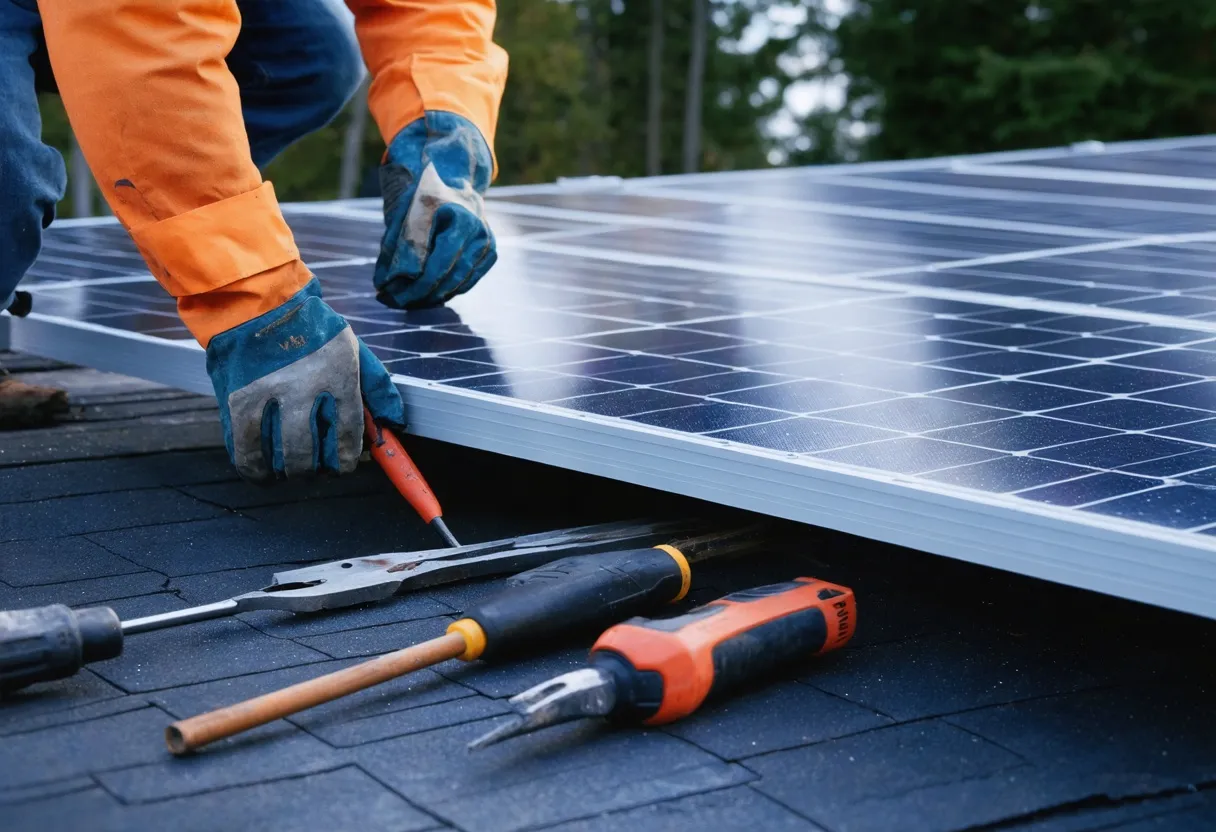
Girdwood sits roughly forty minutes south of Anchorage on the Seward Highway, squeezed between the Chugach Mountains and Turnagain Arm, and that geography produces some of the trickiest solar conditions anywhere in Southcentral Alaska. Steep roof pitches built to shed heavy mountain snowfall rather than to catch sun, spruce and hemlock cover shading parts of most lots for part of the day, and a daylight swing far more extreme than anything a mainland solar calculator was built for — all of it changes how an array actually has to be designed. A quote generated from national assumptions will get the panel count wrong, the racking wrong, or both, and you usually don't find out until the first real snow year.
We're based in Anchorage, working out of the Ingra St. area, and treat Girdwood as core service territory — the townsite, the Alyeska side of the valley, and the cabins scattered along Crow Creek Road and out toward Turnagain Pass — not a once-a-season detour. That means sizing systems around Girdwood's actual production curve instead of a generic average, engineering racking for the snow loads this corridor really sees, and filing interconnection paperwork the way Chugach Electric requires it, whether your property is tied into the grid in town or running entirely on its own out past the end of the road system.
Signs Your Girdwood Roof Needs a Snow-Engineered Solar Design
How Girdwood's Daylight Swing Changes the Net Metering Math
Net metering is the mechanism that makes a grid-tied system pencil out anywhere in Southcentral Alaska, but Girdwood's daylight swing makes it matter more here than in a lot of markets. Between roughly late May and early August, days run long enough that a well-sized array will frequently produce more power than a home is using in real time — that surplus exports to the grid and builds up as a credit on your account through Chugach Electric. From late November into mid-January, the same property loses the overwhelming majority of its usable solar window, and the household draws those banked summer credits back down instead of buying every kilowatt-hour at retail rate.
The part that trips up out-of-market installers is sizing the system to that real curve rather than a flat national estimate. Oversize an array based on a generic sun-hours number and you'll spend money on panels that never earn their keep in December; undersize it and you leave summer export credits on the table that could have carried more of the winter draw. Getting this right means designing around Southcentral Alaska's actual seasonal production data, not a spreadsheet built for a flat lot in a sunnier state — and it means understanding your specific interconnection agreement with Chugach Electric before you commit to a panel count, since export rates and any system-size caps are set at the utility level, not the manufacturer level.
Local group-buy pricing cycles, like the Anchorage Solarize program, have periodically bundled residential solar purchases at reduced group rates across the Anchorage service area. Program availability shifts year to year, so it's worth checking current status when you're planning a purchase timeline rather than assuming it's always running — but combined with the federal Residential Clean Energy Credit and a correctly filed net metering agreement, it's one more lever that changes the real payback period for a Girdwood system.
Getting a System Installed on a Girdwood Roof, Start to Finish
We walk the roof or ground-mount site in person, check electrical panel capacity, and map shading from surrounding spruce and hemlock across the seasons rather than just the day of the visit.
Racking gets specified for the snow loads the Turnagain Pass corridor actually carries, with a structural engineer's stamp on the mounting plan where the design calls for one, before permits are submitted.
The net metering application goes to Chugach Electric before installation begins in most cases, since utility approval timelines run several weeks and shouldn't be the thing holding up your project at the finish line.
Physical installation typically runs one to three days for a standard rooftop system, with ground-mount and larger battery-bank projects taking longer, followed by inspection, permission to operate, and monitoring setup.
An Anchorage Crew That Treats Girdwood as Home Turf
We're not driving down the Seward Highway to figure out your roof for the first time. Girdwood, the Alyeska side of the valley, and the properties strung out along Turnagain Arm are part of our regular service area, not a special trip — which is why snow-load racking, shading analysis, and Chugach Electric interconnection paperwork are handled as routine, not as an afterthought.
Girdwood Solar Questions We Hear Most
Yes, when the system is sized around Girdwood's real annual production curve instead of a flat national estimate. The extended daylight from late spring through summer produces a strong surplus that, combined with net metering through Chugach Electric, offsets the low-production winter stretch — the key is realistic sizing up front, not assuming year-round output equal to peak summer days.
Snow cover temporarily reduces output until it slides or melts off, and panels are typically angled to help that happen naturally, with dark surfaces absorbing heat that speeds melt-off on sunny days. The bigger concern is structural — racking has to be rated for Girdwood's actual snow loads, and panel placement needs to account for where shed snow and ice will land below.
Yes, and it's a common request for remote parcels without a nearby utility line. Off-grid design is a different exercise than a grid-tied rooftop system — it needs a larger battery bank and typically a backup generator to carry the home through consecutive low-light winter days with no sun to recharge it.
Partial shading from spruce and hemlock changes both array placement and equipment choice — microinverters or power optimizers often make more sense than a single string inverter on a partially shaded roof. A full shading analysis across the seasons, not just the day of the site visit, is what determines the real answer for a specific lot.
The federal Residential Clean Energy Credit applies to qualifying systems, net metering is available through Chugach Electric for grid-tied installs, and local group-buy programs like Anchorage Solarize have periodically offered reduced pricing. Terms and availability shift, so current details should be confirmed as part of your proposal rather than assumed.
Physical installation is usually one to three days for a standard rooftop system, but the full timeline — permitting plus utility interconnection approval — typically runs several weeks to a couple of months, driven mostly by utility processing time rather than the install itself.
What Actually Drives Your Girdwood Quote
There's no honest flat number for "solar installation" without knowing the specifics of a given roof or parcel, but the cost drivers on a Girdwood project are fairly consistent from one property to the next.
Roof pitch and racking
Steep, snow-shedding rooflines and snow-load-rated racking add labor and hardware cost compared to a simple gable roof in a lower-snow market, and an engineer's stamp on the mounting plan is a separate line item where the design calls for one.
Electrical panel capacity
Older panels sized before modern interconnection standards may need an upgrade before a system can safely tie in — this gets identified at the site visit, not discovered mid-install.
Ground-mount versus rooftop
Ground mounts sidestep roof-condition and pitch issues entirely, which matters on some Girdwood parcels, but add trenching, footings, and often a longer wire run.
Off-grid versus grid-tied
Off-grid systems for cabins or remote parcels need a larger battery bank and usually a backup generator, both of which add materially to scope compared to a grid-tied design that leans on Chugach Electric for backup.
Site access
Girdwood's terrain and winter access conditions can affect crew logistics and scheduling flexibility compared to an in-town Anchorage lot, and that's worth factoring into your timeline expectations, not just your budget.
Whatever the quote, get the specifics in writing — exact panel and inverter model, racking spec rated for local snow load, and a workmanship warranty that names who backs the flashing work, since a manufacturer warranty on the panels does nothing for you if the roof penetration leaks under Girdwood's snow-shed loads and the installer that did the flashing is no longer around. A number with no equipment list and no racking spec attached isn't something you can actually compare against a competing bid — and on a roof engineered for this much snow, that detail matters more than almost anywhere else in the state.
Request your free quote
See what a winter-ready system would look like on your home, with no pressure to move forward.
Get a system built for Anchorage winters
Reach out for a no-obligation quote sized to your roof and this climate.